Is the HyperX Cloud III Worth It?
Published on August 19, 2026
Buying a gaming headset off the spec sheet tends to disappoint. Almost every model in this price range advertises a 50mm-plus driver, a “noise-cancelling” mic, and spatial audio, and the real gap between a headset that lasts years and one that cracks at the hinge in six months never shows up on that list.
What actually separates a good gaming headset from a generic one
Three things matter more than the advertised spec:
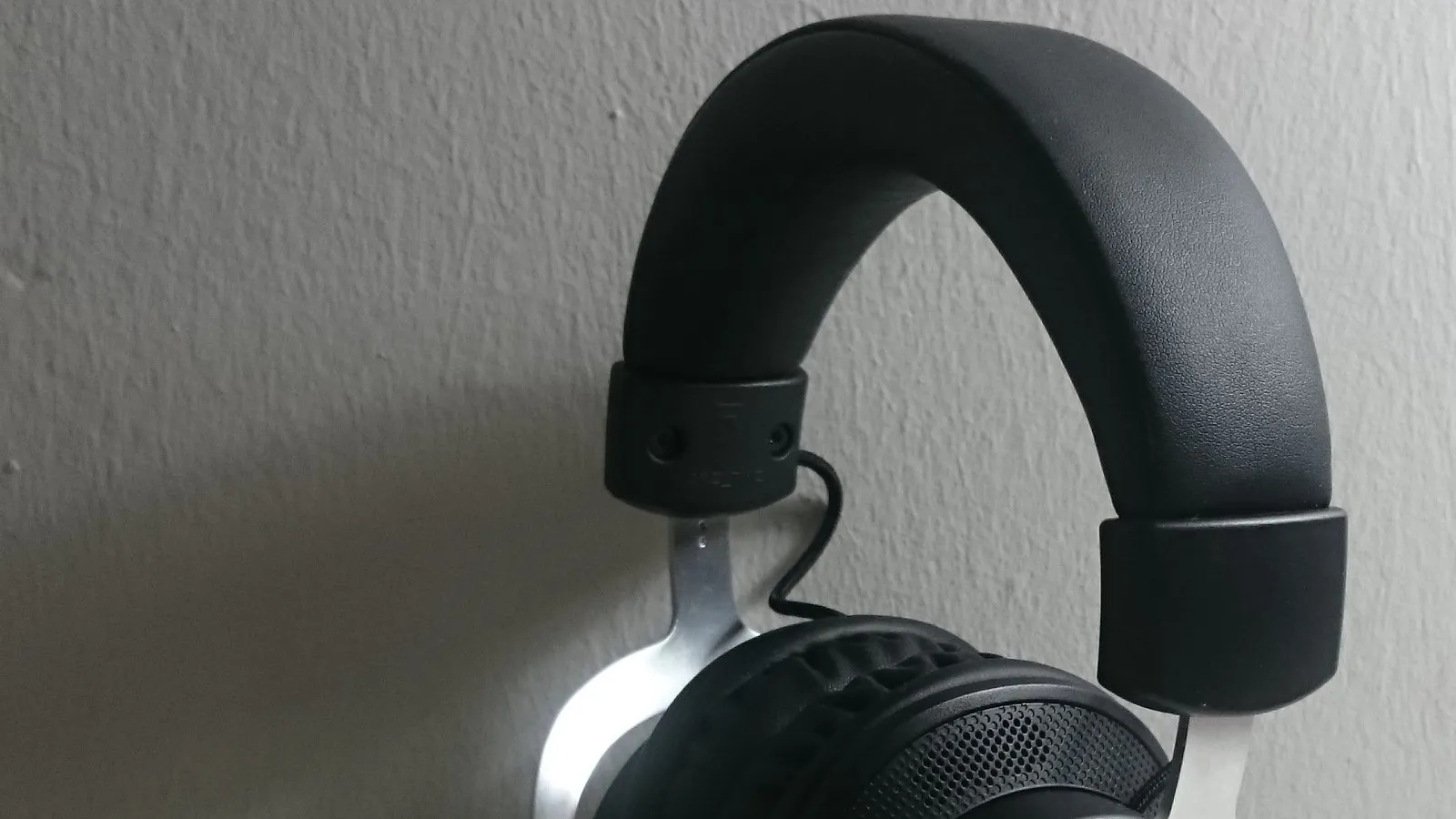
- Frame material: metal outlasts plastic, especially at the hinge that adjusts headband size. That is the first part to crack on a cheap headset.
- Microphone: this matters more than raw driver quality for anyone who plays in a group or records. Most gaming headset disappointment traces back to a muddy mic, not bad sound in the ear.
- Comfort over long sessions: driven by weight, clamp force, and how much the ear cup heats up, not just cushion size.
The HyperX Cloud III scores well on all three in most reviews, which is why it keeps showing up as the reference wired headset in this price range, years after the Cloud line first launched.
What reviewers and owners actually report
The Cloud III’s metal frame draws consistent praise from people comparing it to cheaper headsets: the adjustment sliders lock in firmly, and reviewers who had a competing model rattle apart after a year report nothing like that here. The mic gets similar treatment. Among headsets tested in this price range, the Cloud III’s mic keeps getting singled out as one of the clearest for voice chat and recording.
The point that splits opinion most is the clamp. Reviewers describe it as noticeably tight in the first weeks, the same break-in behavior the previous Cloud II generation had, and it loosens on its own with regular wear. Anyone expecting out-of-the-box comfort tends to be caught off guard. The second recurring point is heat: the leatherette-over-memory-foam ear cups warm up after roughly two hours of use, more so in a room without airflow, which is a property of this cushion style rather than something specific to this model.
When the Stinger 2 Core is already enough
Not everyone needs the Cloud III. Casual players or anyone building a first setup will find the Cloud Stinger 2 Core, also from HyperX, at roughly half the price. Reviewers note the Stinger 2 Core’s plastic build feels sturdier than expected for an entry-level headset, and flipping the mic boom up mutes it instantly, no button required.
The trade-off shows up clearly in the mic: it is the most cited weak point on the Stinger 2 Core, with reports of faint audio and the mic picking up the speaker’s own breathing. For casual chat with friends that rarely matters. For anyone streaming or recording regularly, that is exactly where the Cloud III earns back its higher price.
If your use case leans more toward work calls than competitive gaming, it is worth knowing that gaming headsets and meeting headsets optimize for different things: the latter prioritizes ambient noise cancellation over driver size. And if you were leaning wireless instead, it helps to understand why Bluetooth audio cuts out on Windows 11 first, since that is exactly the kind of instability a wired connection like the Cloud III’s sidesteps. For an everyday wireless pick outside of gaming, the budget Bluetooth headphones roundup covers the strongest options.
Our recommendations
HyperX Cloud III (Wired)
The wired headset that keeps getting singled out for mic quality and build at this price, with no app or battery to manage.
Pros
- Metal frame and adjustment sliders that lock in place: people comparing it to cheaper headsets report none of the rattle that shows up after a year on plastic models
- Reviewers consistently rank the mic among the best in the category, for chat and for recording alike
- Memory foam stays comfortable through multi-hour sessions with no obvious pressure points
Cons
- Clamp force is noticeably tight out of the box; people who owned the previous Cloud generation report the same break-in period, and it loosens with regular wear
- The leatherette ear cups build up heat after roughly two hours in a room without AC, a common complaint for this style of cushion
- Bass comes across lighter than same-priced rivals in side-by-side listening
$60 – $100
Check price on AmazonHyperX Cloud Stinger 2 Core
Roughly half the Cloud III's price, with plastic that reviewers describe as sturdier than the price tag suggests.
Pros
- Lightweight (275 g) and comfortable for long sessions, with volume and mute controls built into the ear cup
- Build quality surprises reviewers who expect the usual entry-level fragility
- Flipping the mic boom up mutes it instantly, no button to hold
Cons
- The mic sounds faint in recordings and picks up the speaker's breathing, the most cited weak point of the model
- Overall audio ceiling sits below headsets that cost a bit more
- One isolated report of an ear cup cracking after about a year and a half of heavy use, tied to rougher handling
$25 – $40
Check price on AmazonPrices are reference ranges and change often, so check the current price on Amazon before buying.
Frequently asked questions
Does the HyperX Cloud III work on PS5 and Xbox?
Yes on both. The wired version ships with USB-C, USB-A, and a 3.5mm jack. On PS5, the 3.5mm plugs straight into the controller. On Xbox, it works the same way on controllers that have a 3.5mm port; older controllers without one need Microsoft's official headset adapter.
Is it worth paying more for the Cloud III over the Stinger 2 Core?
It is if mic quality and long-term durability matter to your use case, since that is where the price gap shows up most in side-by-side reports. For casual play where a comfortable, decent-sounding headset is enough, the Stinger 2 Core covers the basics for a lot less.
Does it really get hot no matter the room?
The most common report is noticeable warmth after about two hours of continuous use, worse in a room with no airflow. That is a property of leatherette-over-memory-foam cushions in general, not a defect unique to the Cloud III; it shows up in reviews of most closed-back headsets at this price.