Headsets for Video Calls: Buy for the Mic, Not the Sound
Updated on August 13, 2026
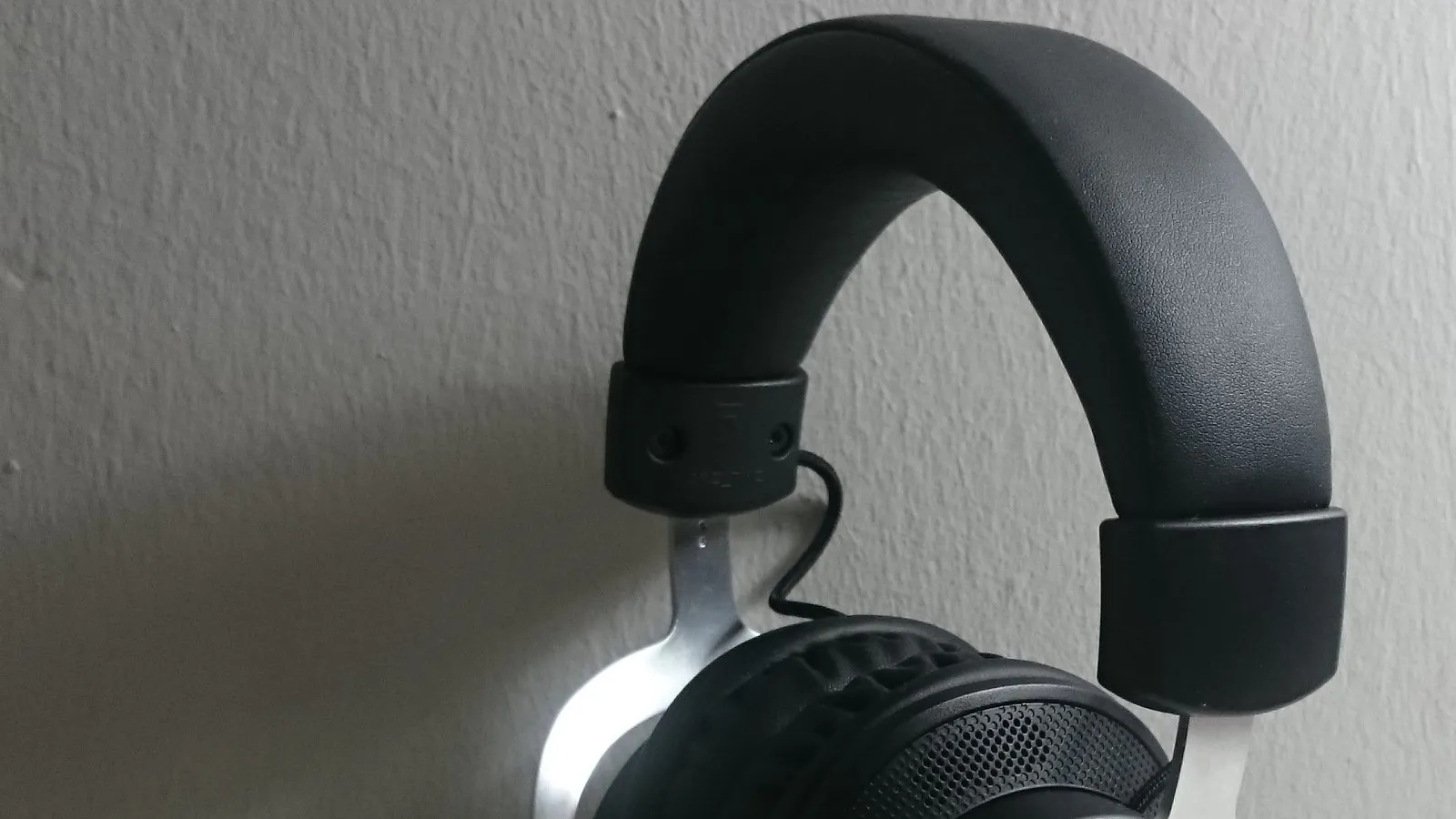
Most people buy work headphones by listening to music in a store. The trouble is that in a meeting you are not the one judging your headset. The person on the other end is, and what they hear is your microphone. The microphone is the one part nobody tests before buying, and it is what separates a headset you can work in from headphones you can only listen with.
What actually decides whether your voice comes through clean
Three things, and the first one matters more than the other two combined.
- How far the mic sits from your mouth. A boom arm that reaches the corner of your mouth picks up your voice far louder than the room around it. A mic buried in the shell of an earbud sits roughly eight inches away, and at that distance your voice and the room arrive at similar strength. No amount of processing fully undoes that.
- How many mics there are. With two or more, the headset can compare the signals and throw away whatever arrives identically at all of them (the diffuse noise of the room) while keeping whatever arrives differently (your voice, which is near one and far from another). A single mic has no way to run that comparison.
- How the audio travels. This is where Bluetooth charges you for the convenience.
The Bluetooth detail that ruins calls
A Bluetooth headset runs in two modes. While you are only listening, it uses the A2DP profile: stereo, wide bandwidth, full sound. The moment an app requests the microphone, it switches to HFP, which is mono and narrowband, because it now has to carry audio in both directions at once.
The symptom is easy to spot. Music sounded great, you join the call, and everything turns into a 1990s phone line. That is not the app, it is the protocol.
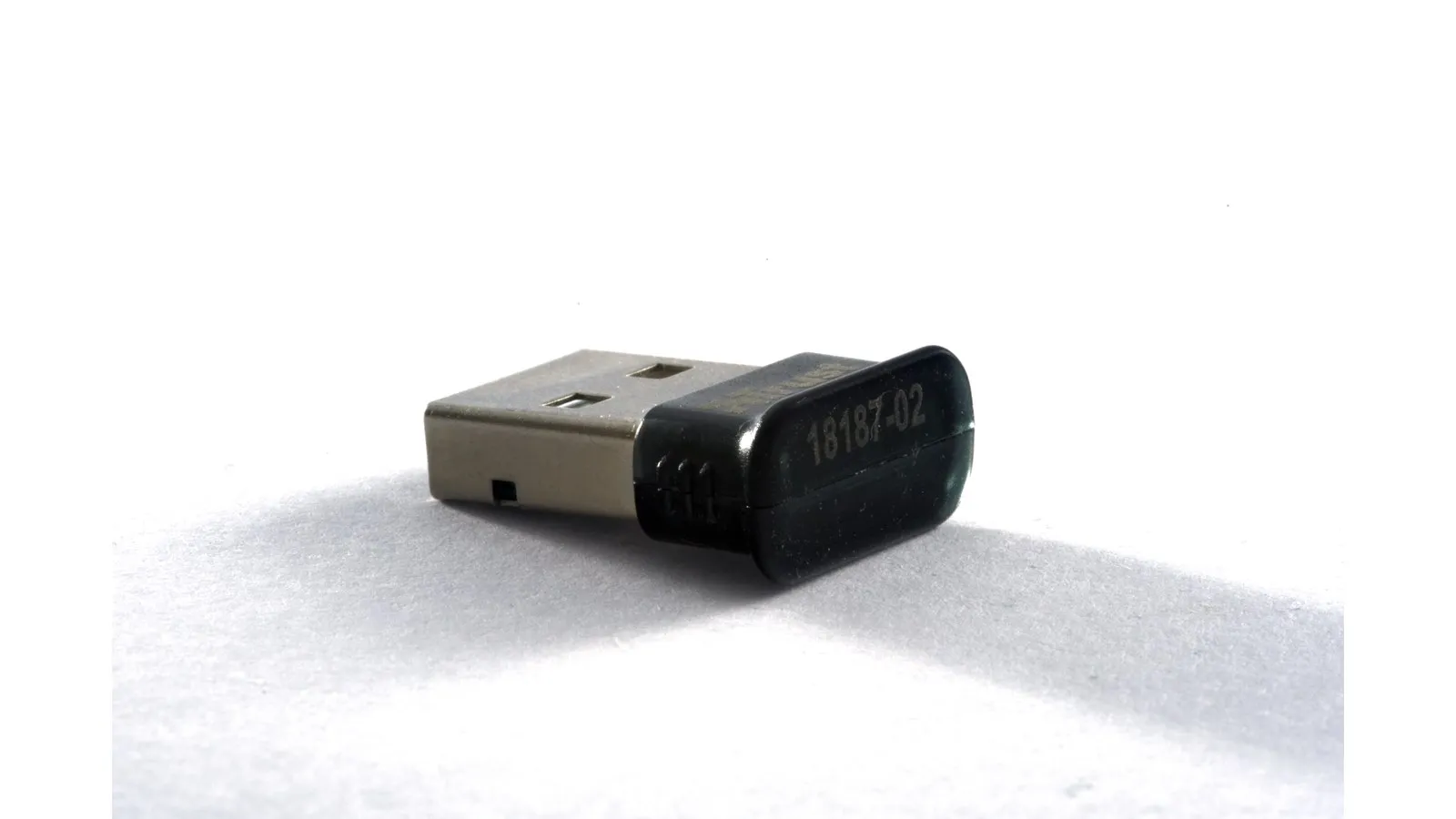
Newer codecs soften the drop, but they only apply when your computer and your headset agree on which one to use, and that agreement is not guaranteed. This is why business headsets so often ship with their own USB receiver: it takes the guesswork out. A plain USB headset solves it the blunt way, by not using Bluetooth at all.
Comfort over six hours is a different product
Comfortable for twenty minutes in a store and comfortable across a full workday are not the same category. What actually matters:
- Weight. Past roughly half a pound you start to feel the top of your head by late afternoon.
- Headband pressure. On-ear designs press against the ear instead of around it, which puts all the force on one spot. It is the worst format for glasses wearers, because the arms of your frames get pinned against your head.
- Earcup material. Foam traps heat, leatherette traps more. Fabric breathes and is the one that survives a warm afternoon.
- Earbuds for long stretches. They tire the ear canal in a different way, and some people simply cannot wear them all day. If that is you, you already know.
When wired still wins
Go wired if you sit in one place all day, if you run back to back meetings and never want to think about charge, or if your setup already has enough moving parts. It also costs a fraction of the wireless options.
Wireless earns its price when you get up, walk around the house and switch between laptop and phone. That freedom is worth both the money and the small penalty on your microphone.
What shows up after a few weeks of meetings
With work headsets the complaint is almost never about sound. It is about trust, because what ruins a day is the microphone disappearing mid-call.
The H390 and cheap USB headsets in general show an odd pattern. People who buy them by the dozen for offices report that the ones that work keep working for years, with five years of daily use not being unusual, and that the computer’s USB port often fails first. At the same time there is a huge volume of “mic not working” reports. Both are true, because the issue is unit variance rather than wear. If the mic stops, there is an order worth following before declaring it dead: the mute button on the boom, the system’s default input device, plugging into the machine directly instead of a hub, and only then reinstalling drivers. If it never worked from day one, that is a return, not a settings problem.
The Evolve2 65 earns its price mainly through the dongle, and that is worth being explicit about: the headset does not sound worse on Bluetooth because Jabra cut corners, it sounds worse because Windows switches to a call profile when the mic is live. The dongle sidesteps that entirely. The gripes that do come up are fit, with reports that it suits average heads better than very small or very large ones, and warmth from the leatherette cups over a full day.
The AirPods 4’s defining trait in reviews is that fit is a lottery. There is no ear tip to compensate, the plastic is smooth, and reviewers report them working loose or catching on hair and collars. The same open design caps what noise cancelling can do: it handles steady noise like an air conditioner, and lets sudden or high-pitched sounds straight through. Voice pickup is genuinely good for a bud with no boom, which is why it stays on this list, but a quiet room is doing part of the work.
Quick comparison
| Model | Best for | Price range |
|---|---|---|
| Wired USB boom headset | A fixed desk, heavy meeting load, tight budget | $25 – $45 |
| Wireless business headset | Moving around and juggling two devices | $180 – $260 |
| Earbuds with a good mic | One pair for work, commute and the gym | $110 – $170 |
Prices move a lot between sales and versions. Check before you buy.
If your budget is tight and you work from the same desk every day, a wired USB boom headset is the most efficient purchase on this list. It fixes the thing that matters most, which is mic distance, and leaves the rest of the money in your pocket. The wireless business headset is for people who already know they do not stay put. And earbuds are a perfectly reasonable choice as long as you go in with your eyes open about the trade: maximum convenience in exchange for a slightly worse voice on the other end.
Note that this is the mirror image of choosing a pair of headphones for music: there the test is the sound reaching you, here it’s the sound leaving you. And if the desk is part of the problem, a USB-C hub gives you back the Ethernet port your calls will thank you for.
Our recommendations
Logitech H390 (wired USB headset)
The mic sits an inch from your mouth and never moves. It is the cheapest way to sound professional.
Pros
- Boom arm holds a fixed distance from your mouth, which solves half the problem by itself
- USB brings its own sound card and skips the Bluetooth profile that muffles voices
- No battery to die halfway through a meeting
Cons
- Tethered to the computer, and it needs an adapter to work with a phone
- Plain plastic build that reads as call center on camera
- The headband starts to pinch after three or four hours straight
- Unit-to-unit variance is the real weakness: IT buyers report the ones that work last years, while a share arrive with a dead microphone
$25 – $45
Check price on AmazonJabra Evolve2 65 (wireless with USB dongle)
Ships with its own USB receiver, so call audio never depends on your laptop guessing the right codec.
Pros
- The included dongle sidesteps flaky laptop Bluetooth entirely
- Connects to laptop and phone at the same time, so you can take a call without re-pairing
- Boom arm folds up, and battery easily clears a full workday
Cons
- Expensive, and music quality is ordinary for the price
- Passive isolation only on this model, so a loud room stays loud
- Leatherette earcups get warm by mid-afternoon
$180 – $260
Check price on AmazonApple AirPods (4th generation)
The honest pick if you want one pair for calls, the commute and the gym, and you accept a small hit on voice.
Pros
- Pocketable, and switching between Mac, iPhone and iPad happens on its own
- Voice pickup is genuinely good for something with no boom arm
- No headband, so no flattened hair before the camera turns on
Cons
- The mic sits far from your mouth, and echoey rooms expose that
- Shorter battery per charge than any boom headset
- Easy to lose, and a single replacement bud is not cheap
- The open design has no ear tip, so fit is a lottery: reviewers report them working loose on smooth plastic, and stems catching on hair and collars
- With no seal, noise cancelling cuts steady engine noise but lets sudden and high-pitched sounds through
$110 – $170
Check price on AmazonPrices are reference ranges and change often, so check the current price on Amazon before buying.
Frequently asked questions
Why does my voice sound like an old phone call the moment I join a meeting?
Because Bluetooth switches profiles. While you are only listening, it uses A2DP, which is stereo and full bandwidth. The instant an app opens the microphone, it drops to HFP, which is mono and narrowband, and the quality hit applies to what you hear as well. A USB headset never does this, and a headset with its own USB receiver works around it.
Does active noise cancelling make me sound better to other people?
No. ANC works on what reaches your ears, not on what leaves your microphone. Whether the other person understands you comes down to mic placement and the voice processing in the headset. They are separate features, and a pair can be excellent at one and weak at the other.
Is my laptop microphone good enough?
Only in a quiet room with soft furnishings. A laptop mic sits a foot and a half away and picks up your keyboard, the fan and every reflection off a bare wall. Any headset with a boom arm beats it comfortably.