The Best Budget Smartwatches for Everyday Use in 2026
Updated on August 13, 2026
The most common smartwatch mistake is paying for features you’ll never open. Before comparing prices, it helps to know what each tier actually delivers.
Three questions before you buy
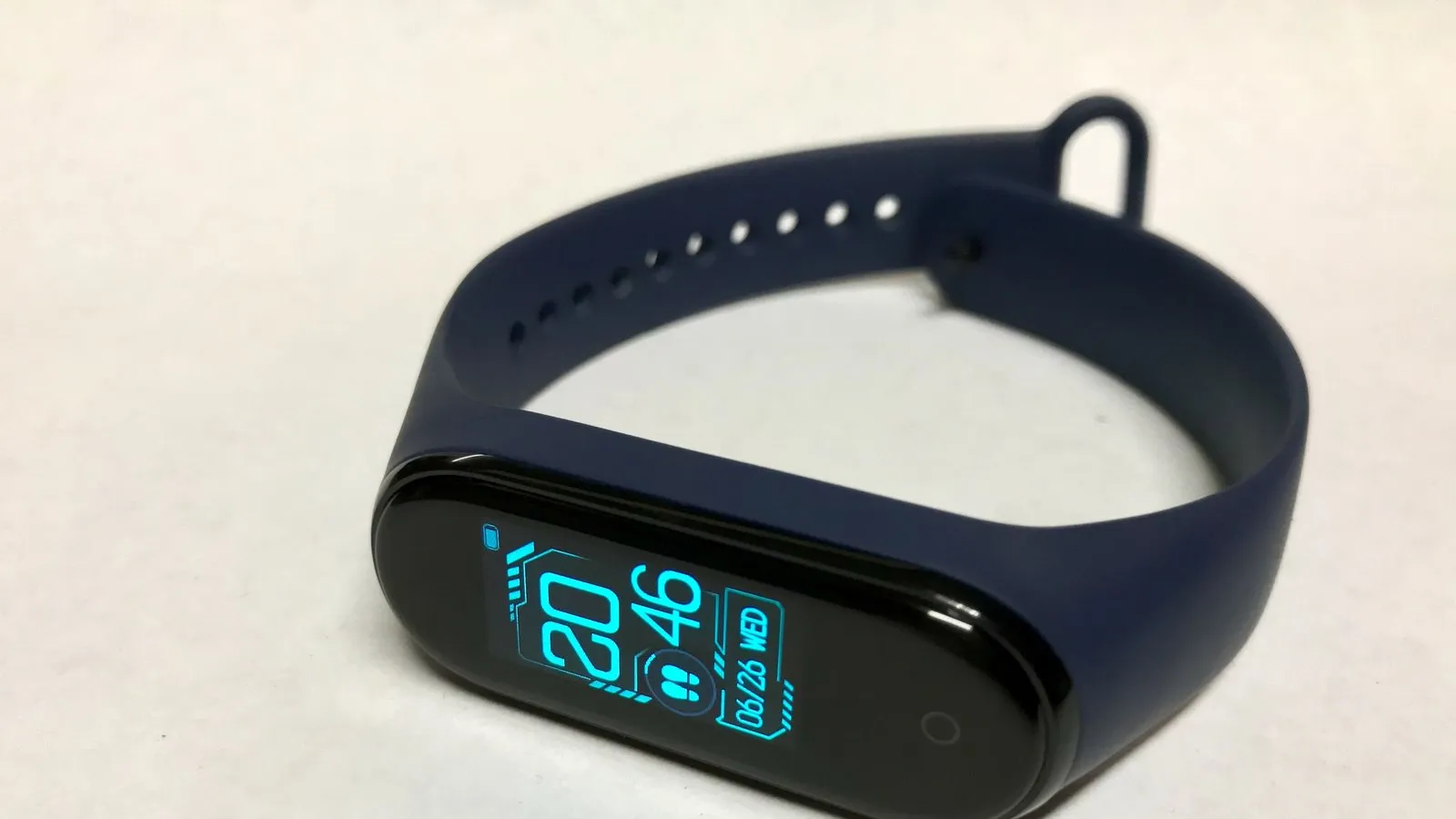
- Do you want a watch or a tracker? Slim bands like the Xiaomi focus on health metrics and basic notifications. Watch-shaped models give you a real screen you can read at a glance.
- iPhone or Android? The best features are ecosystem-locked: an Apple Watch is close to useless on Android, and Samsung’s deepest integrations need a Galaxy phone. Amazfit is the neutral choice.
- Charge nightly or biweekly? Large AMOLED screens with many sensors rarely last more than two days. Decide whether that’s a dealbreaker before falling for a spec sheet.
Prices vary by sale and by generation, so check the current Amazon price before deciding.
The problems that show up after you buy
Budget smartwatch spec sheets are generous and nearly identical. What separates them is the boring part: the phone app, the notifications and the charger. That is exactly what dominates owner reports.
For both the Amazfit Bip 6 and the Xiaomi Smart Band 9, the single most common complaint is notifications going quiet after a few hours, and in almost every case the watch is not at fault. Android’s battery optimiser kills the companion app in the background, and Zepp or Mi Fitness has to be whitelisted and allowed to autostart before alerts, weather and sync behave. It is worth knowing before you decide the unit is faulty and return it. The Band 9 has a related caveat on the tap-to-open-on-phone feature: it needs the app running, the phone unlocked, and it simply does not work on some handsets. And because the band has no speaker or microphone, calls and voice assistants are out, while long messages are tedious to read on a strip that narrow.
The Bip 6 also shipped with a spontaneous reboot problem that Amazfit fixed in a later firmware release, which is a good argument for updating the watch through Zepp on day one rather than living with the version in the box. Beyond that, the honest limitation reviewers keep noting is app depth: the hardware is excellent for the money, but third-party app support is nothing like a Wear OS or watchOS device.
For the Apple Watch SE, the complaint that defined the previous generation was the missing always-on display, described by long-term owners as the compromise they thought they could live with and then could not. The SE 3 closes that gap and adds fast charging, which is why it replaced the 2nd gen on this list: the older model only makes sense now at a steep discount. What has not changed is the rest of the SE trade-off, and it is worth going in knowing it. There is no ECG, no blood oxygen and no temperature sensor, the glass is Ion-X rather than sapphire, the case is not dust rated, and battery life is about a day, so nightly charging is part of the deal.
Quick comparison
| Model | Best for | Price range |
|---|---|---|
| Amazfit Bip 6 | Best all-round value, any phone | $70 – $100 |
| Xiaomi Smart Band 9 | Sleep and step tracking on a budget | $40 – $60 |
| Apple Watch SE 3 | iPhone owners who want the real thing | $200 – $250 |
If you just want to track sleep, steps and notifications without much spending, the Xiaomi Smart Band does it. If you work out regularly and want GPS and a readable screen, the Amazfit Bip 6 is the best money-per-feature buy on this list. And if you own an iPhone and plan to keep it, the Watch SE is worth the jump. Everything else will feel like a compromise next to it.
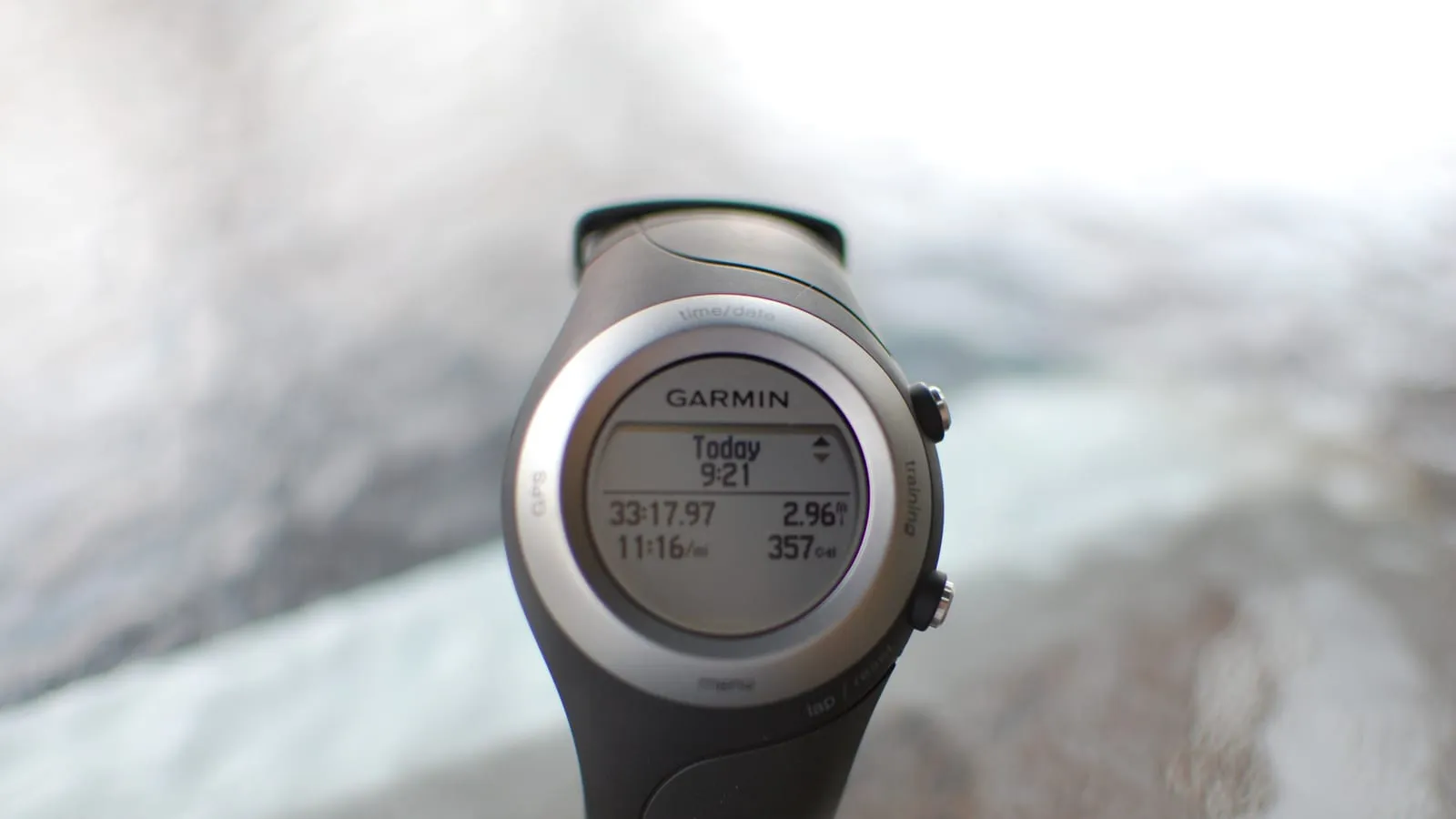
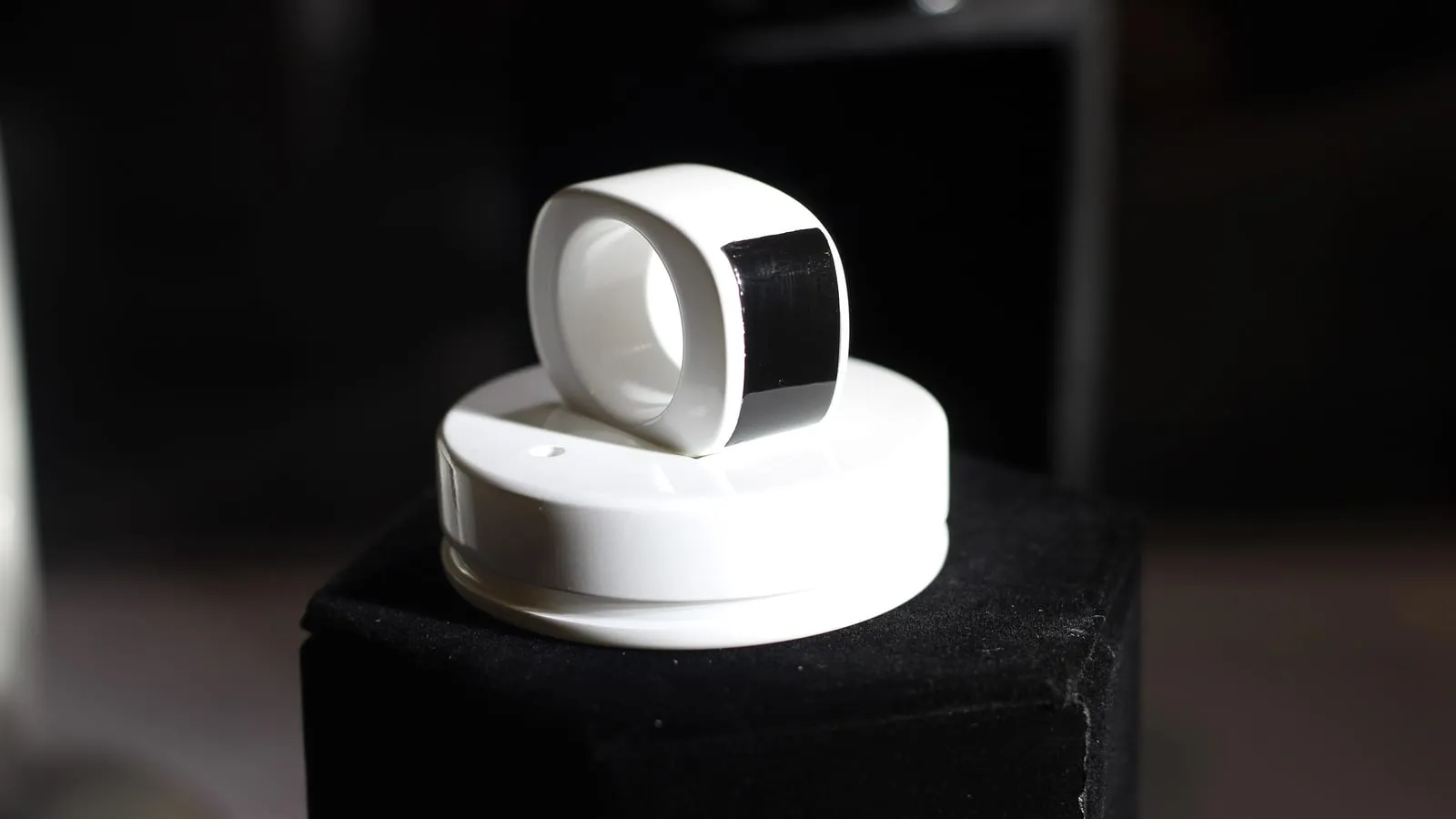
Two paths lead out of here. If running is the real reason you’re shopping, the antenna decides the purchase, and it’s worth knowing what actually changes accuracy on a GPS watch first. And if you mostly want sleep data but hate sleeping in a watch, the question becomes a different one: is a smart ring worth it?
Our recommendations
Amazfit Bip 6
The best value in wearables right now: a big AMOLED screen, built-in GPS and a battery measured in weeks, not days.
Pros
- Two weeks of real battery life per charge
- Built-in GPS, so runs don't need your phone
- Works equally well with iPhone and Android
Cons
- Third-party app support is thin
- Plastic case looks its price up close
$70 – $100
Check price on AmazonXiaomi Smart Band 9
The cheapest tracker worth wearing: light enough to sleep in, and it just handles steps, heart rate and notifications.
Pros
- Barely noticeable on the wrist overnight for sleep tracking
- Two weeks between charges
- Costs less than a month of most gym memberships
Cons
- Narrow band screen, not a watch face
- No built-in GPS, so it borrows your phone's
$40 – $60
Check price on AmazonApple Watch SE 3
The pick for iPhone owners, and the generation that finally added the always-on screen the SE was criticised for missing.
Pros
- Fall detection, crash detection and emergency SOS
- Deepest integration with iPhone messaging and apps
- Always-on display and fast charging, the two things SE owners complained about most
- Holds resale value far better than budget brands
Cons
- Needs charging every single night
- Useless with an Android phone
- No ECG or blood oxygen, and no temperature sensor, so cycle tracking has less to work with than on a Series watch
- Ion-X glass rather than the sapphire used higher up the line
$200 – $250
Check price on AmazonPrices are reference ranges and change often, so check the current price on Amazon before buying.
Frequently asked questions
Do I need built-in GPS?
Only if you run or cycle without your phone. For walking, the gym or everyday wear, the connected phone's GPS is just as accurate and saves you money and battery.
Are cheap heart rate sensors accurate?
For tracking trends (resting rate over months, effort during a workout), yes, they're close enough. For anything medical, no consumer wrist sensor replaces a clinical test, and only a handful are FDA-cleared for ECG.
Battery: one day or two weeks?
This is the real trade-off. Big always-on AMOLED screens and constant sensor polling cost battery. Apple and Samsung watches need nightly charging; Amazfit and Xiaomi trade app depth for weeks of runtime.