Smart Rings: Should You Swap Your Smartwatch for One?
Updated on August 13, 2026
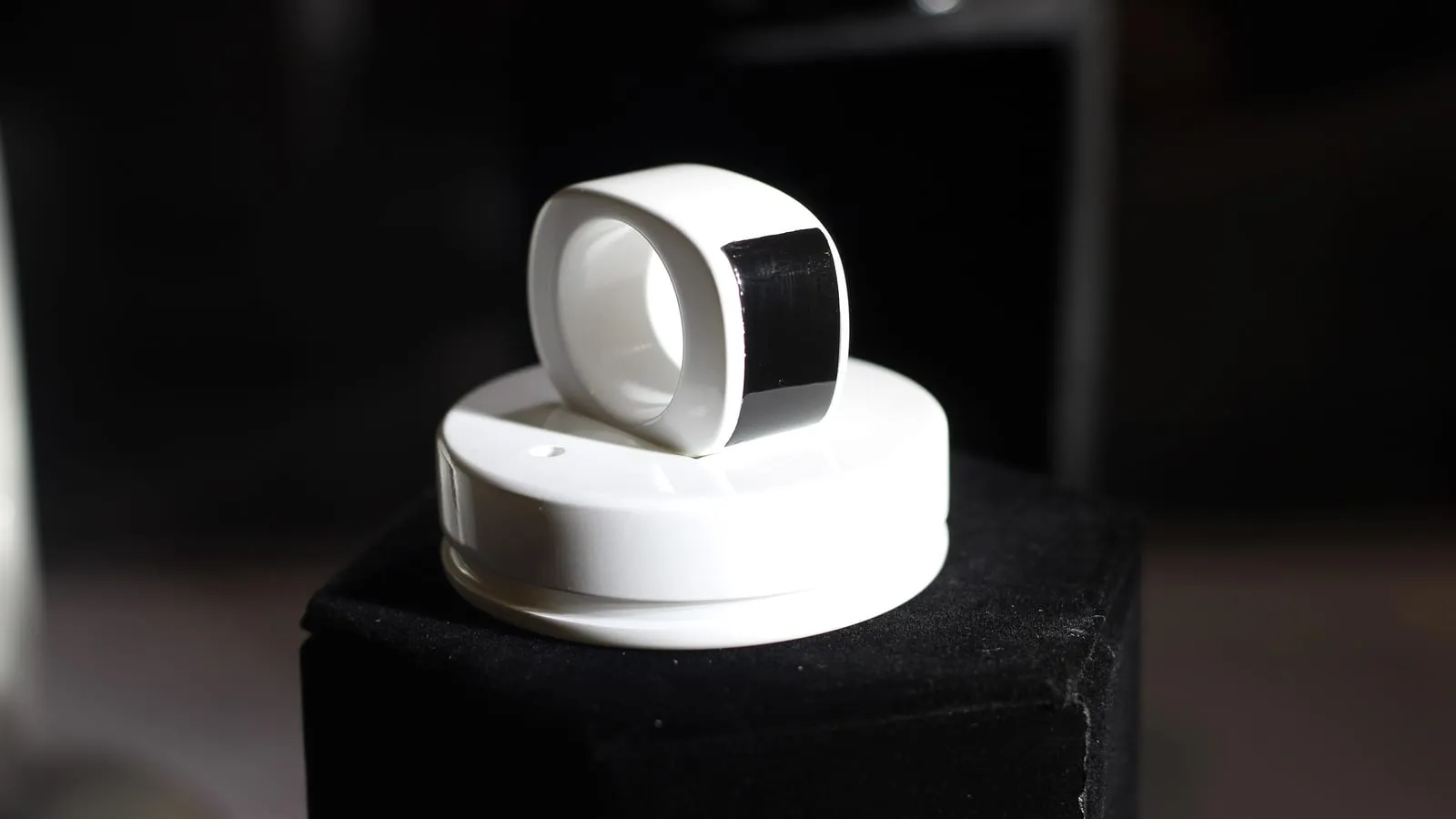
Smart rings are the wearable of the moment, but they solve a narrower problem than the marketing suggests. A ring doesn’t replace your smartwatch: it replaces sleeping in your smartwatch.
What a ring measures well
The sensors are essentially the same ones in a smartwatch: photoplethysmography for heart rate and variability, a thermistor for skin temperature, and an accelerometer for movement. What changes is the measurement site. The arteries in a finger give a steadier signal than the wrist, especially overnight when a watch shifts around.
That translates into:
- Sleep analysis that’s more reliable, with better sleep and wake timing.
- Heart rate variability (HRV) tracked across the whole night, which is what recovery scores are built on.
- Relative skin temperature, useful for spotting the onset of illness or tracking menstrual cycle shifts.
What it doesn’t do
There’s no screen, so no notifications and no clock. There’s no GPS, so no run route. And it does not measure blood pressure or glucose. Any manufacturer claiming otherwise is selling marketing, not a validated feature.
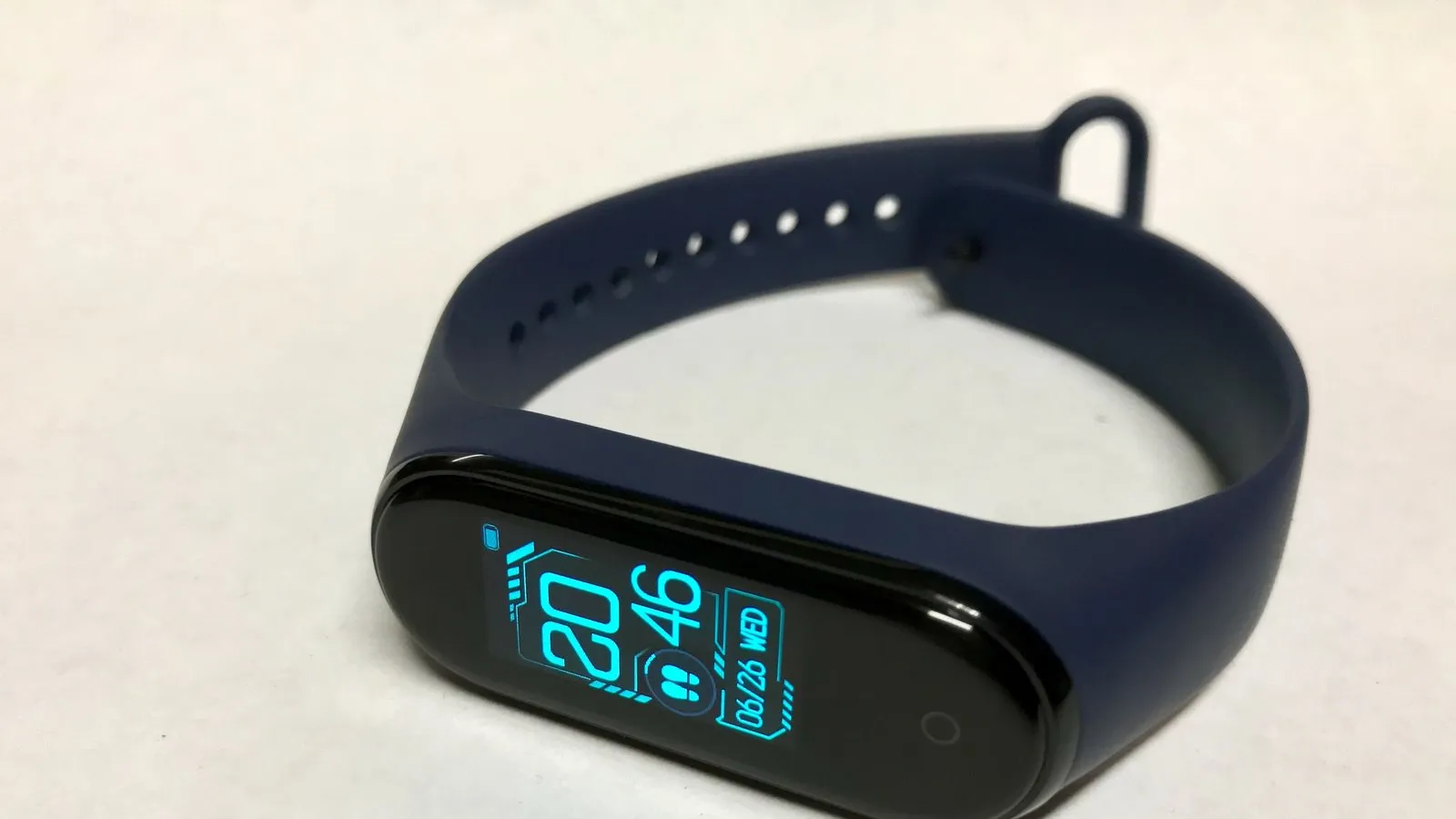
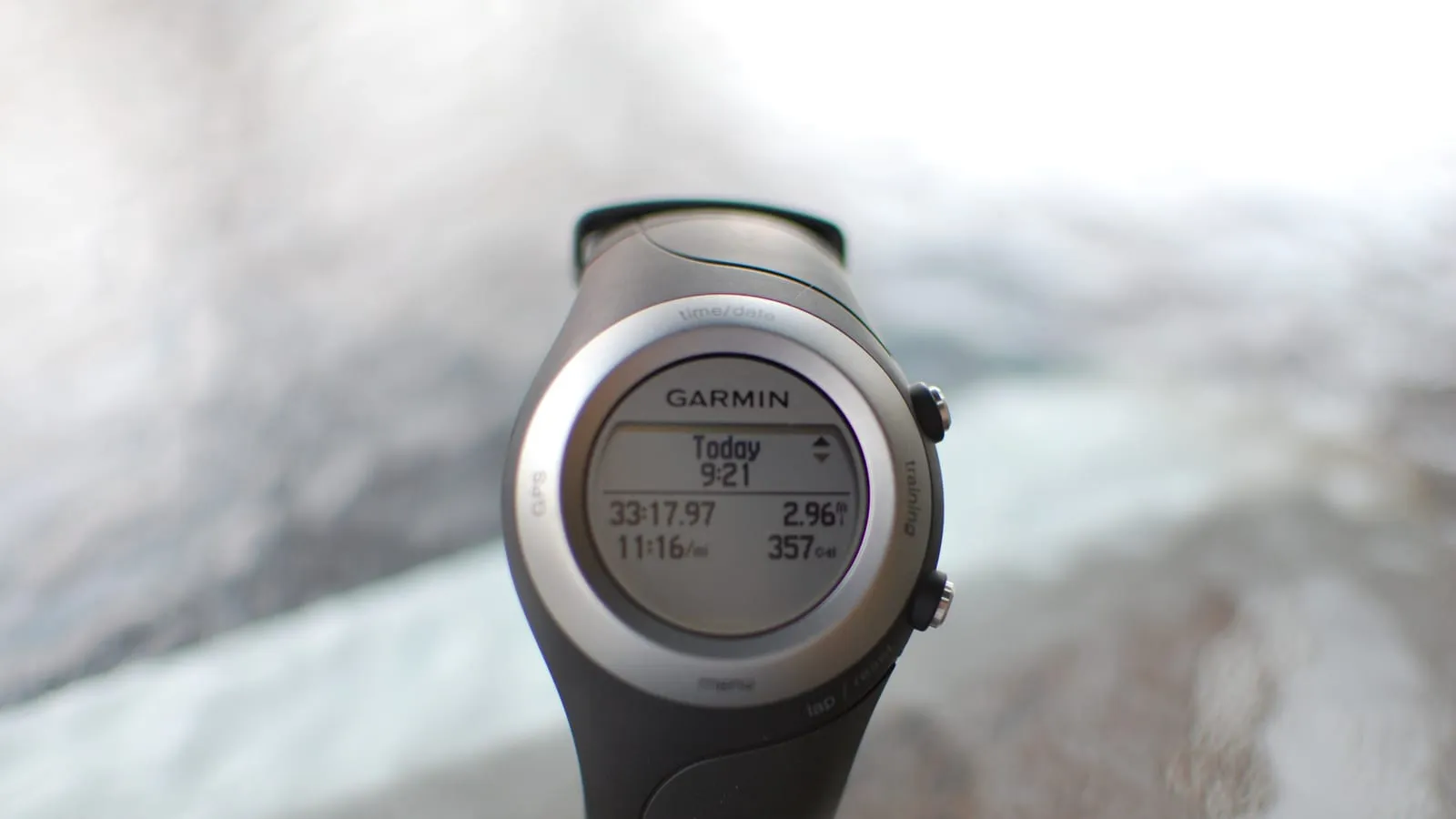
Which means that if you want route and pace, the ring isn’t the product, and the choice goes back to a proper GPS running watch or one of the budget smartwatches that cover both.
A smart ring is a two to three year device, not jewellery
This is the part almost no review puts in the total, and it changes the whole decision. The battery is sealed inside the titanium. There is no cover, no screw, no cell you can buy. When capacity goes, the device goes with it, and no repair shop can replace it.
Capacity also starts slipping early. The most common owner report on the Oura describes a ring dropping from seven days per charge to five after about four months, with roughly 15% to 25% of capacity gone by the end of the first year. That is normal behaviour for a lithium cell this small rather than a fault: the smaller the cell, the more each cycle costs it. Worth knowing that Oura has been replacing rings with battery problems through in-app support, so a ring dying in three days is a support ticket, not something to live with.
The maths that matters, then, is not the sticker price. It is the price divided across two or three years, plus the membership in Oura’s case, which runs $5.99 a month or $69.99 a year. Three years of Oura plus membership comes to more than double a RingConn Gen 2, which charges nothing beyond the ring. Whether Oura’s app is worth that gap is a fair question to answer either way, but it should be answered with the number visible.
The details that only show up after you buy
Your ring size is not your jewellery size. Each manufacturer uses its own scale, which is why they ship a plastic sizing kit before making the ring. Wear the kit for a full day including a night of sleep, because fingers swell and shrink through the day, with heat and with salty food. It is common for the same size to fit one hand well and pinch on the other, and a tight ring does not read better: it marks the finger and restricts circulation at exactly the moment it is supposed to be measuring.
Scratches are not a warranty matter. A ring hits door handles, gym bars and shopping trolleys, and the finish records all of it. Reviewers found light scratching on the brushed silver Oura after a week, and the company’s policy does not cover it. Ceramic finishes additionally pick up metal transfer marks that need a polishing pad, while titanium resists both better. People who lift weights take the ring off or wear gloves, and that is a reasonable habit rather than fussiness.
The sensor light is visible in the dark. The green LEDs stay lit against the skin, and sleepers who are sensitive to light notice the glow in a dark room. The fix owners land on is turning the ring inward toward the palm.
Automatic workout detection is narrow. The rings pick up cardio with arm movement and miss yoga, pilates and weights, which have to be logged by hand. In the other direction, they log naps for people who only sat still on the sofa. None of that undermines the sleep data, which is the actual reason to buy one, but it is worth knowing before expecting a watch replacement.
The real cost includes the subscription. Compare the ring’s price plus three years of membership before deciding.
Quick comparison
| Model | Best for | Price range |
|---|---|---|
| Oura Ring 4 | Maximum sleep accuracy | $350 – $500 + subscription |
| RingConn Gen 2 | Avoiding a subscription | $250 – $300 |
| Amazfit Helio Ring | Cheapest way in | $150 – $200 |
If your goal is understanding and improving your sleep, and a watch on your wrist keeps you awake, a ring makes sense, and the RingConn Gen 2 delivers most of what Oura does without tying you to a monthly fee. If you just want steps and rough sleep hours, a $50 fitness band answers both questions.
Our recommendations
Oura Ring 4
The most accurate sleep tracking you can buy, and the only ring that charges a monthly fee to read your own data.
Pros
- Best-in-class sleep staging and recovery scoring
- Titanium and light enough to forget within a day
- Up to 8 days of battery per charge
Cons
- Membership fee is mandatory to see the reports
- First-year cost with subscription rivals a premium smartwatch
- The 8-day figure is the box number: reviewers get the charge prompt on day five or six
- Scratches are explicitly not covered by the warranty, and the brushed finish marks within a week
- Sealed battery with no service replacement, so the ring is a two to three year device
$350 – $500 + subscription
Check price on AmazonRingConn Gen 2
The no-subscription alternative: near-equivalent data and a case that recharges it for weeks.
Pros
- No membership: the ring's price is the total price
- Charging case holds about five extra charges
- Among the thinnest and most comfortable to sleep in
Cons
- App interprets the data less usefully than Oura's
- Younger company with a shorter support track record
- Oura's real advantage over it is validated algorithms, not better sensors
- The finish shows wear faster than Oura's titanium
$250 – $300
Check price on AmazonAmazfit Helio Ring
The budget entry point, and it pairs with Amazfit watches to combine wrist and finger data.
Pros
- Cheapest credible smart ring, no subscription
- Works alongside Amazfit watches in one app
- Sized generously, easier to fit than most
Cons
- Sleep detail is a clear step below Oura
- Limited ring sizes compared to competitors
$150 – $200
Check price on AmazonPrices are reference ranges and change often, so check the current price on Amazon before buying.
Frequently asked questions
Do smart rings measure blood pressure or glucose?
No. No consumer ring measures blood pressure or blood glucose reliably, whatever the marketing implies. What they do measure well is heart rate, heart rate variability, skin temperature and movement, and from those they estimate sleep and recovery.
Why is there a subscription?
Because the value sits in the software that interprets the data, not the sensor. Oura charges a monthly membership to unlock its reports; RingConn and Amazfit include the app in the purchase price. Over three years that difference typically exceeds the price of the ring itself.
Ring or smartwatch, if I can only have one?
A smartwatch, for most people. It shows notifications, has GPS and tracks workouts, none of which a ring does. The ring wins in one specific case: you want precise sleep data and find sleeping in a watch uncomfortable.