Switch 2 vs Switch OLED in 2026: Which One to Buy
Published on November 7, 2026
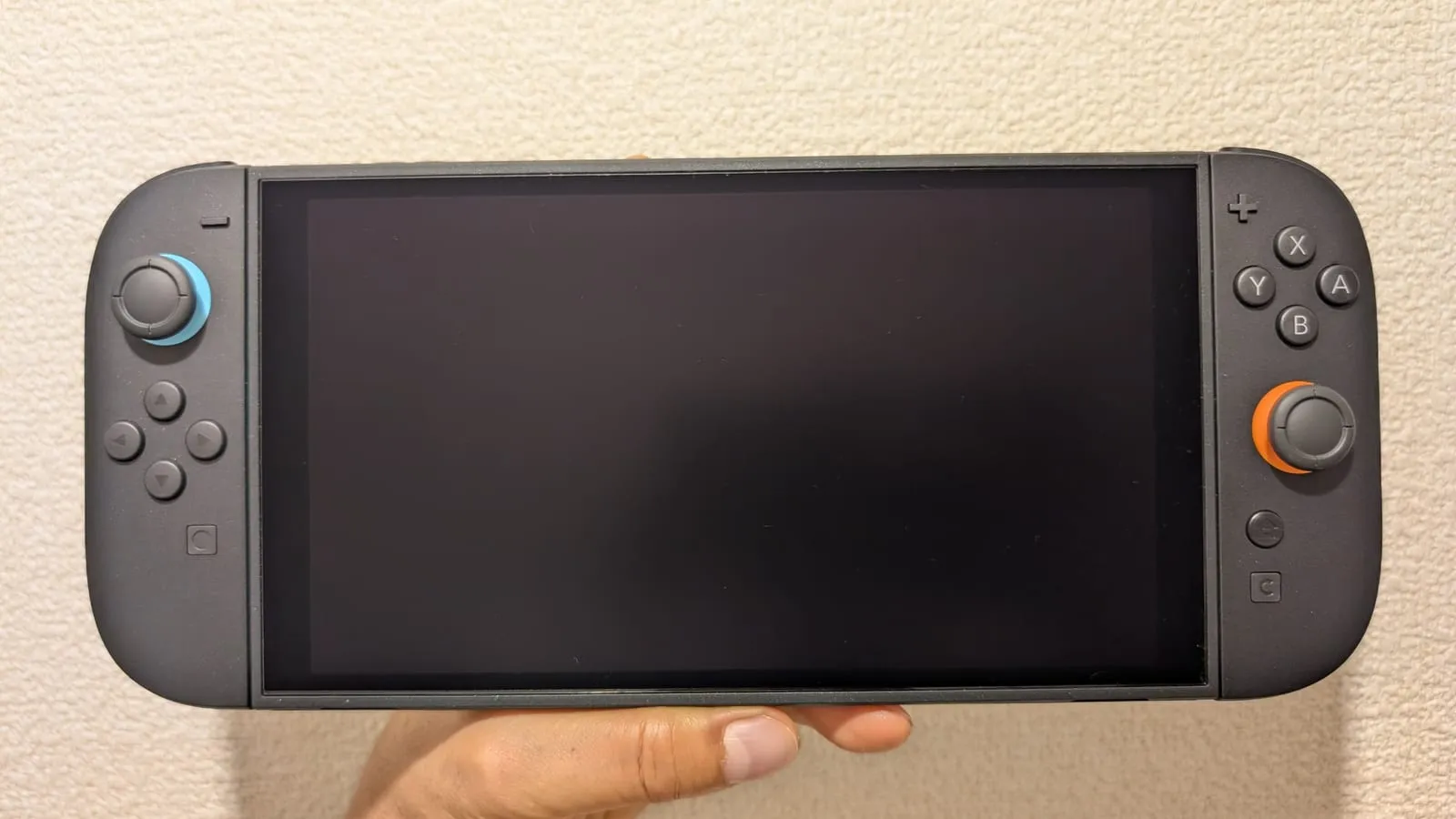
The Switch 2 now sells for $499.99 in the US after Nintendo’s September price increase, and the Switch OLED is still on shelves for considerably less. The question everyone asks is whether the new console is worth the gap. The answer depends less on the hardware and more on how and what you play.
What the Switch 2 actually brings
- A bigger, sharper screen. 7.9 inches at 1080p and 120Hz, versus 7 inches at 720p on the OLED. Docked, the Switch 2 outputs up to 4K.
- Performance. It is where Nintendo’s new games are going. Games built for it do not run on the Switch 1 or OLED.
- Storage. 256GB versus 64GB.
- Backward compatibility. It plays most of the Switch 1 library, so existing games carry over.
Where it loses to the OLED
This is the part the store display does not show.
- Battery. Nintendo estimates 2 to 6.5 hours per charge depending on the game; the OLED runs 4.5 to 9 hours. The Switch 2 has the bigger battery, but its processor and memory draw more power, as Notebookcheck explained at launch. For commutes and flights, it is the difference you feel most.
- Weight. Around 534 g with Joy-Con attached, roughly 110 g more than the OLED. It sounds small until the first hour playing in bed.
- The panel itself. The OLED has true blacks and richer color, and in side-by-side comparisons its screen is still where the older model wins. The Switch 2 uses an LCD: bigger and sharper, but without the contrast.
The cost that is not on the price tag
The Switch 2 only accepts microSD Express. Regular cards that worked in a Switch 1 do not work for games, and one retail-focused outlet reported seeing several people buy the wrong card in a single day.
Internal storage also fills faster than you would expect. Some physical Switch 2 releases ship as game-key cards: the cartridge is just a license key, and the game itself downloads to the console. Germany’s GIGA flagged this as the reason storage matters more this generation.
In practice, most Switch 2 buyers add a 256GB microSD Express card, which pushes the real gap with the OLED up by another $50 to $70.
Should you wait for the revised Switch 2?
Nintendo has announced a revised Switch 2 with a user-replaceable battery to comply with a European battery regulation taking effect in 2027. Nintendo says it works the same, and the revised battery is slightly smaller. There is no reason to hold off for it in the US.
Which one is right for you
Switch 2 is for people who want Nintendo’s next few years of releases, play a lot on the TV, or plan to keep the console for a long time. In those cases, buying an OLED today means buying a console at the end of its run.
Switch OLED is still the right buy if you play mostly handheld, want the best screen and battery, and are happy with the huge Switch 1 library. It is also the more sensible kid’s console, for price and for weight.
Prices change often between sales and sellers. Check the current price before you buy.
At a glance
| Switch 2 | Switch OLED | |
|---|---|---|
| Screen | 7.9“ LCD, 1080p, 120Hz | 7“ OLED, 720p |
| Battery (Nintendo estimate) | 2 to 6.5 h | 4.5 to 9 h |
| Storage | 256GB | 64GB |
| Memory card | microSD Express only | Regular microSD |
| Price range | $450 – $500 | $350 – $400 |
Storage running out is not a Nintendo-only problem, and the PS5 external SSD guide shows how the same issue gets solved on Sony’s console. And if the Switch is going to live in the living room with the volume up, the HyperX Cloud III review helps pick a headset that works both docked and handheld.
Our recommendations
Nintendo Switch 2
The console for Nintendo's next few years of releases, with a bigger screen and much better TV output.
Pros
- 7.9-inch 1080p 120Hz screen versus the OLED's 7-inch 720p panel
- 256GB of storage, four times the OLED's
- Plays most of the Switch 1 library, and every new Nintendo release targets it
Cons
- Nintendo estimates 2 to 6.5 hours of battery, versus 4.5 to 9 hours on the OLED
- Heavier: about 534 g with Joy-Con attached, roughly 110 g more than the OLED
- Only accepts microSD Express cards; regular microSD cards from a Switch 1 will not work for games
$450 – $500
Check price on AmazonNintendo Switch OLED
Still Nintendo's best handheld screen for contrast, and the right buy if you mostly play handheld and are happy with the Switch 1 library.
Pros
- OLED panel with true blacks and richer color than the Switch 2's LCD, the point side-by-side comparisons keep coming back to
- Longer battery life, 4.5 to 9 hours by Nintendo's estimate
- Uses ordinary, much cheaper microSD cards
Cons
- Cannot run Switch 2 exclusives, a list that will only grow
- 720p handheld and 1080p docked, visibly softer on a big TV
- Nintendo is pulling the original Switch models from Europe in 2027, a sign of where the line is heading
$350 – $400
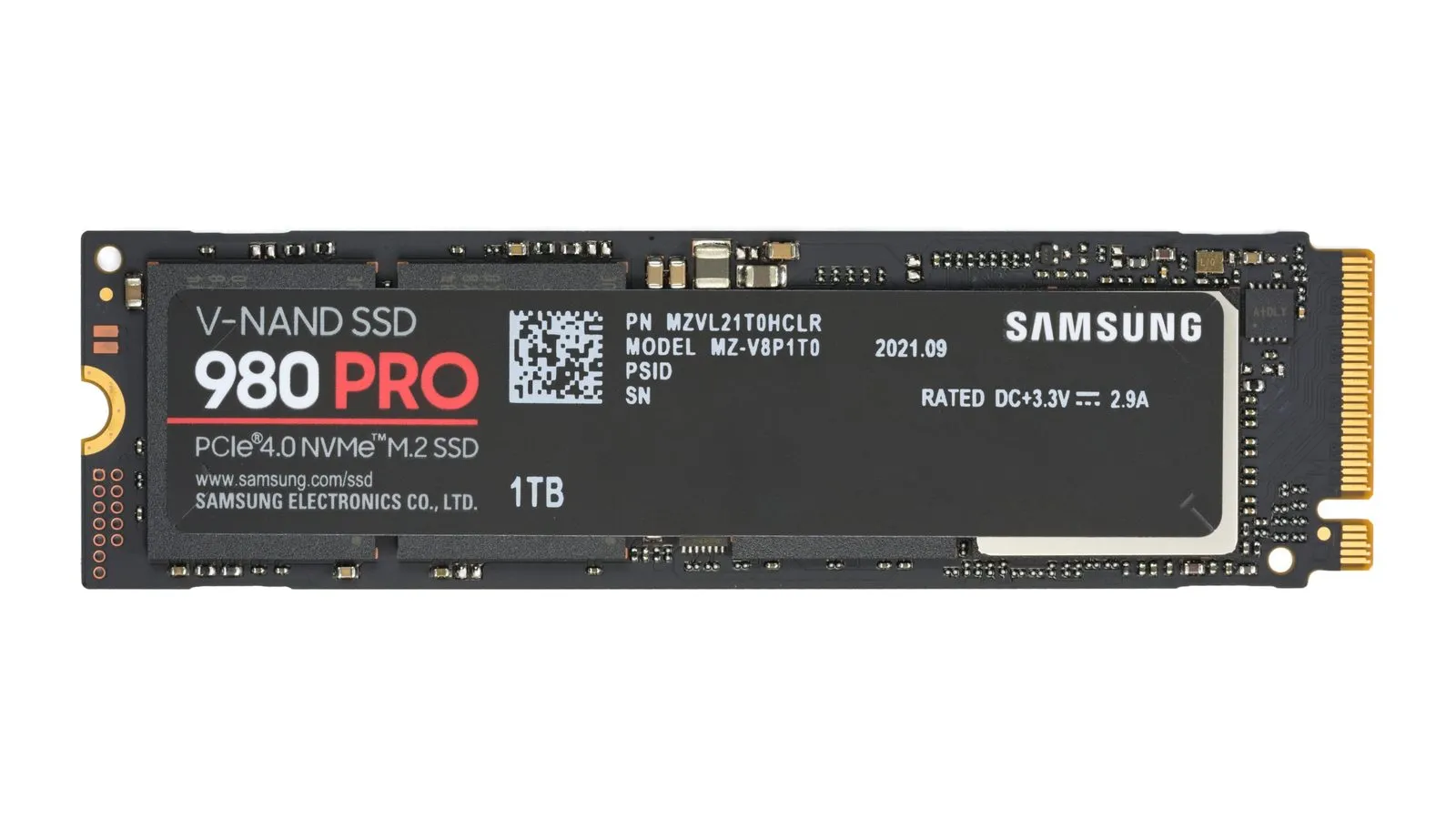
Check price on AmazonSamsung P9 Express microSD 256GB
The accessory almost every Switch 2 owner ends up buying, and it belongs in the math before you compare prices.
Pros
- microSD Express format the Switch 2 requires
- Up to 800 MB/s rated read speed and a three-year warranty
- Doubles the console's storage
Cons
- Costs noticeably more than a regular microSD of the same size
- Performance and power draw vary between microSD Express brands, per Notebookcheck's testing
- Overkill if you only ever buy physical games that run from the cartridge
$50 – $70
Check price on AmazonPrices are reference ranges and change often, so check the current price on Amazon before buying.
Frequently asked questions
Does the Switch 2 play Switch 1 games?
Most of them, and some get enhanced Switch 2 editions, sometimes free and sometimes paid. It does not work the other way: games made for Switch 2 do not run on the Switch 1 or OLED. If you already own a Switch 1 library, upgrading does not force you to rebuy anything.
Can I use my Switch 1 microSD card in the Switch 2?
No. The Switch 2 only accepts microSD Express, a faster standard. Regular microSD cards that worked on Switch 1 and OLED are not recognized for games. Look for the word Express and the EX logo on the card before buying; it is a common mistake.
Should I wait for a revised Switch 2?
In the US there is no announced reason to. Nintendo's revised Switch 2 with a user-replaceable battery is aimed at a European regulation taking effect in 2027, and Nintendo says it works the same. The battery in the revision is actually slightly smaller.