Fast-Charging Power Banks: A Complete Buying Guide
Updated on August 13, 2026
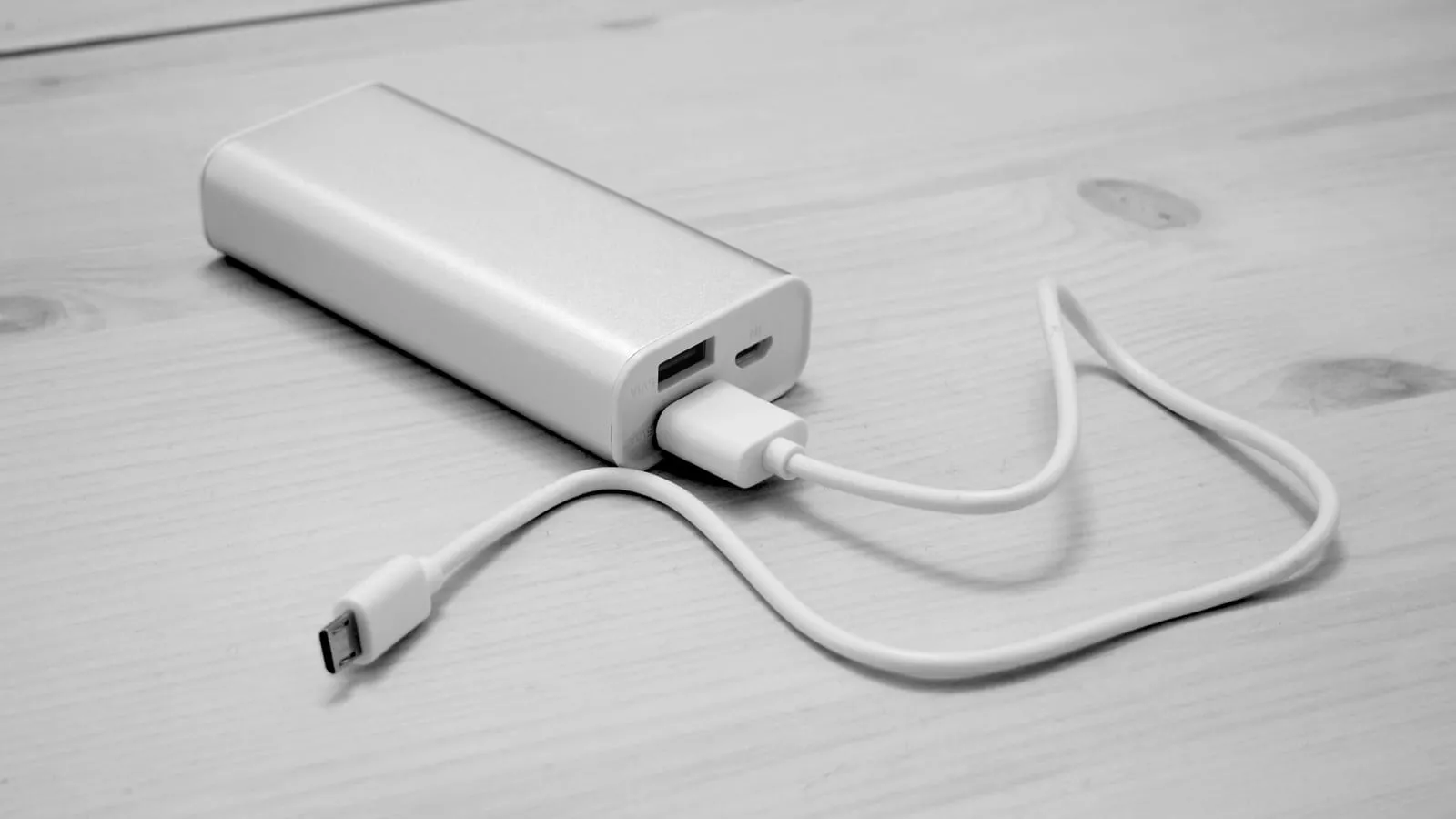
A bad power bank is one that sits in a drawer because it takes longer to charge than your phone lasts. The gap between a mediocre one and a good one comes down to two numbers: capacity (mAh) and output power (W).
Capacity vs. portability: the real trade-off
More capacity means more weight, more bulk, and a longer wait when the bank itself needs charging. Before defaulting to the biggest number, think about how you’ll actually use it:
- Daily carry: 10,000 mAh is the sweet spot between a useful charge and something you’ll keep in a bag.
- Travel or a full day out: 20,000 mAh earns its weight, especially with multiple devices.
- Charging a laptop: you need 45W minimum, and 65W to charge at anything like full speed.
- Multiple devices at once: check the combined output, not the per-port figure. Many banks split their total wattage the moment you plug in a second cable.
The same wattage math decides your wall charger, which is why a 65W GaN charger refills a power bank in a fraction of the time an old 15W brick takes.
A built-in cable matters more than it sounds
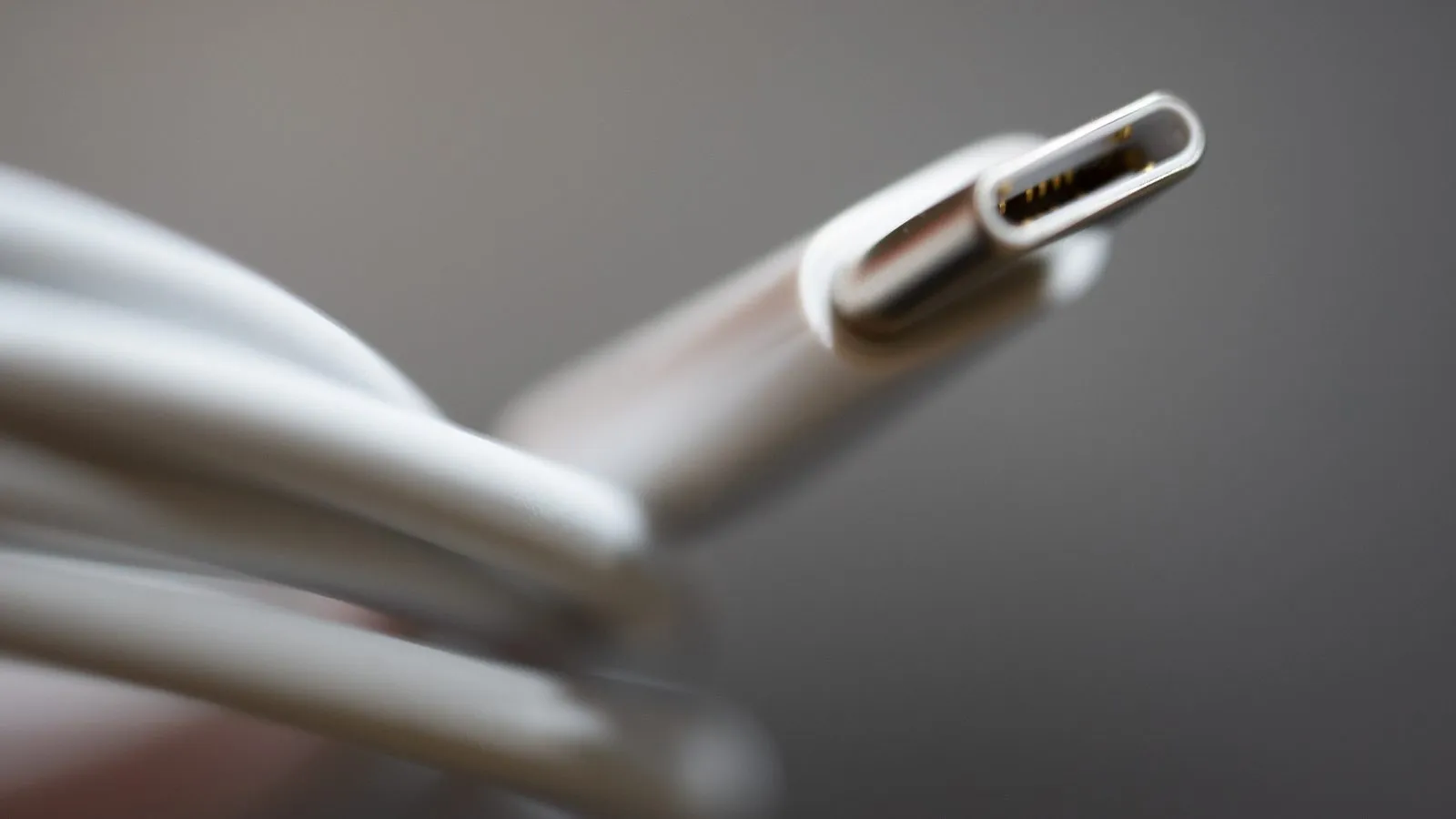
The current generation of power banks ships with the USB-C cable coming out of the body itself, and that fixes the most common way these things fail you: you bring the battery and forget the cable. The downside is that the cable is short, so your phone ends up stuck to the brick while it charges, and it’s one more part that can wear out. For something that lives in a backpack every day, the trade is worth it.
Prices move constantly with sales, so always check the current Amazon price before buying.
The mAh on the box is not the mAh your phone receives
This is behind almost every “capacity is lower than advertised” complaint, and it is not false advertising, it is two different units. The 10,000 or 20,000 mAh printed on the case is measured at the cell’s internal voltage of 3.7V. Your phone charges at 5V or higher, and converting between those costs energy. Independent measurement of the 10,000 mAh Anker Nano, for instance, found about 36 Wh of usable energy, roughly 9,800 mAh coming out of two 5,000 mAh cells, before conversion losses. The number worth comparing between packs is watt-hours, printed in small type on the case, and it is the same figure airlines use.
What owners actually report
The Anker Nano earns its reputation on speed: reviewers’ hands-on testing recovered more than half an iPhone’s battery in half an hour, and the pack itself refills in around 90 minutes on a 30W charger. The complaints are about living with it. The built-in cable is short enough that the phone has to sit attached to the brick, and on the retractable-cable versions reviewers report output dropping off as the pack warms up. One caveat about the star ratings on this category generally: a large share of the positive reviews on retailer sites are explicitly incentivised, and many are written after two weeks of ownership, which is not long enough to catch battery degradation.
The INIU 20,000 mAh draws mild criticism rather than serious complaints. It charges ultrabooks and MacBook Airs well, less impressively a power-hungry laptop under load, and it stays around body temperature in use. The recurring gripes are bulk, a percentage display that owners have measured drifting by 10 points or more, and recharge time that depends far more on the wall charger you own than on the pack. Worth knowing before a trip: reports say it does not comply with China’s newer power bank rules for flights.
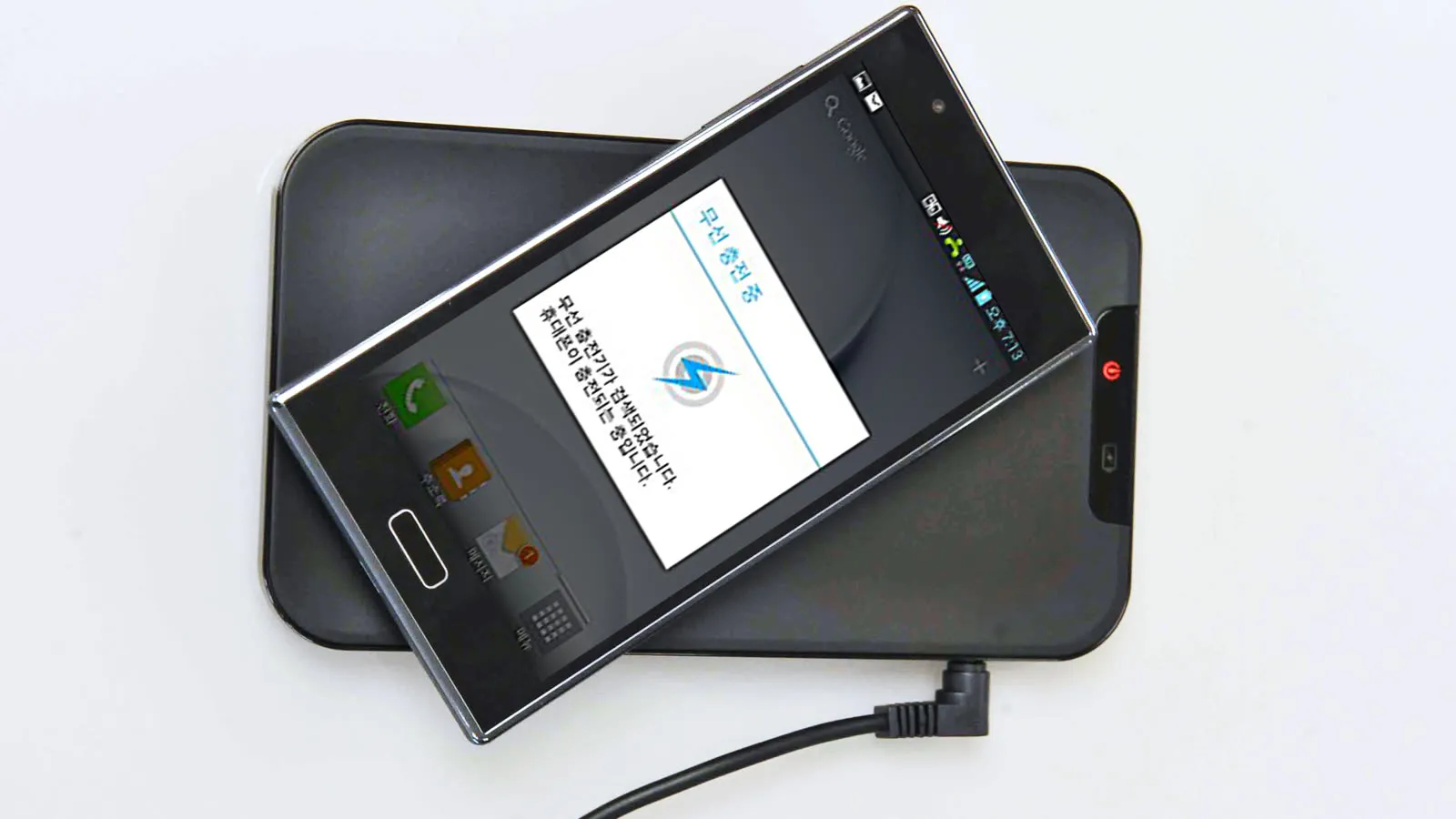
The Anker 621 MagGo disappoints exactly one type of buyer: whoever expects it to replace a proper power bank. Anker’s own documentation calls the wireless charging slow, it cannot run the cable and the magnetic side at the same time, and 5,000 mAh is one phone top-up. Owners who treat it as a slim companion that stays stuck to the phone rate it very highly, with roughly four in five giving it five stars. If speed matters, the newer Qi2 15W models are the ones to look at instead.
Quick comparison
| Model | Best for | Price range |
|---|---|---|
| Anker Nano 10K (30W) | Everyday carry | $40 – $60 |
| INIU 20K (65W) | Travel, laptops | $35 – $50 |
| Anker 621 MagGo | iPhone users who hate cables | $25 – $40 |
If the problem you’re solving is “my phone dies at 4pm”, the Anker Nano is the one to buy. If you travel or work away from a desk, the INIU 20,000 mAh covers a phone, a tablet and a laptop for about the same money. You just have to carry it.
Our recommendations
Anker Nano Power Bank (10,000 mAh, 30W)
The best balance of size and speed, and the USB-C cable comes built into the body.
Pros
- 30W USB-C output fast-charges phones and even an iPad
- Built-in cable, so there is no cable left at home to regret
- Small enough to carry every day without thinking about it
Cons
- 10,000 mAh is one and a half phone charges, not three
- The built-in cable is short, so your phone sits attached to the brick
- 30W is not enough to charge a laptop at a useful speed
$40 – $60
Check price on AmazonINIU 20,000 mAh 65W Power Bank
The value pick for travel: enough capacity for a weekend and enough wattage to charge a laptop.
Pros
- 65W output can top up a MacBook Air or a Chromebook
- Three ports, so phone, watch and earbuds charge at once
- Digital percentage readout instead of four vague LEDs
Cons
- Noticeably heavy in a jacket pocket
- Takes 3–4 hours to fully recharge itself, and the wall charger you already own is usually the bottleneck, not the bank
- Owners report the percentage display drifting by 10 points or more, reading in the eighties when the pack is nearly full
- It reportedly does not meet China's newer power bank rules, so it is not one to pack for flights there
$35 – $50
Check price on AmazonAnker 621 MagGo Magnetic Battery
The cable-free option: snaps onto the back of a MagSafe iPhone and charges while you keep using it.
Pros
- No cable to carry or lose
- Thin enough to stay attached in your hand
- Doubles as a kickstand for video
Cons
- Magnetic charging is slower and less efficient than a cable
- 5,000 mAh only means roughly one full phone charge
- This one tops out at 7.5W wireless, and Anker's newer Qi2 MagGo models do 15W
- It cannot charge two devices at once: plug something into the cable and the wireless side stops
- No display, and the wireless side only works with iPhones
$25 – $40
Check price on AmazonPrices are reference ranges and change often, so check the current price on Amazon before buying.
Frequently asked questions
How many mAh do I actually need?
For a single emergency top-up, 10,000 mAh is plenty and stays pocketable. For travel or a full day away from an outlet, 20,000 mAh is worth the extra weight. Above that you're mostly buying bulk you'll leave at home.
Does Power Delivery really charge faster?
Yes, but only if your phone or laptop also supports the wattage advertised. Pair a 30W bank with a phone that maxes out at 18W and you get 18W. Without PD support on both ends, you fall back to slow standard USB speeds.
Can I take a power bank on a plane?
In the US, the TSA and FAA allow power banks in carry-on only, up to 100 Wh, which covers every model here (a 20,000 mAh bank is about 74 Wh). They are not allowed in checked luggage.